
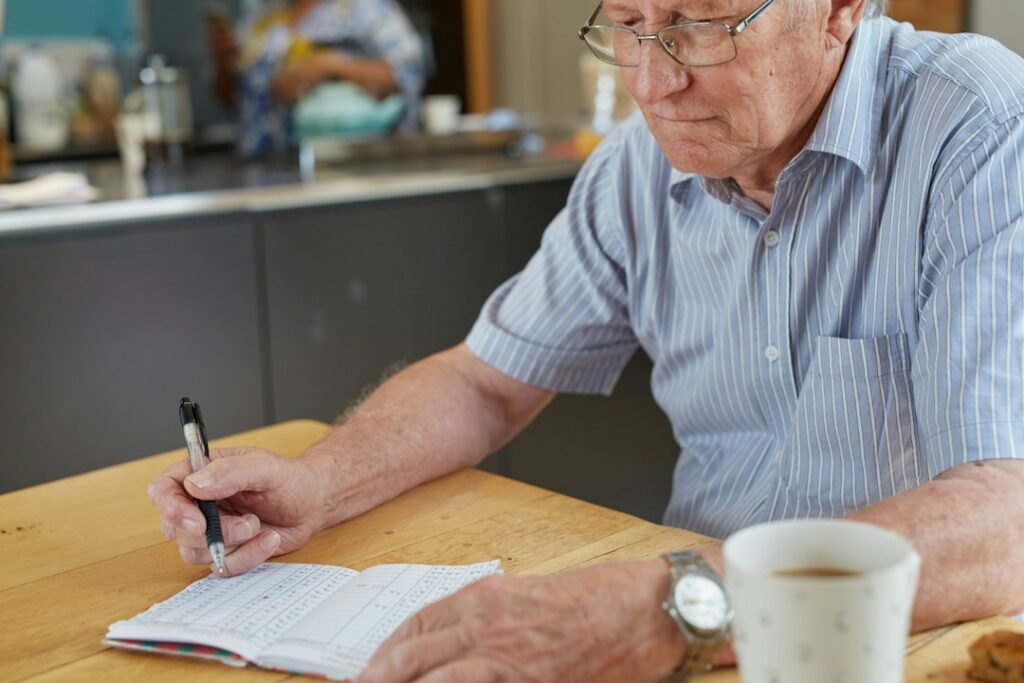
Visiting a loved one in assisted living can be meaningful, but it also requires awareness of shared spaces, daily routines, health needs, and personal boundaries. Good visiting etiquette helps residents feel respected while allowing staff to maintain a safe, calm environment for everyone.
Should visitors make arrangements before arriving?
Yes. Calling ahead or following the community’s visitor procedures is usually the most considerate approach, even when visiting a familiar family member. Residents may have scheduled meals, medication times, therapy, personal care, religious activities, or rest periods.
Advance planning also helps visitors learn about:
- Current visiting hours or sign-in procedures
- Any temporary health precautions
- Limits on the number of visitors
- Pet or child policies
- Preferred locations for visits
- Whether the resident is feeling well enough for company
Unexpected visits are not always welcome, even when the relationship is close. A resident may be tired, confused, experiencing discomfort, or simply not in the mood for socializing. Confirming plans protects the resident’s choice and reduces disruption.
What should visitors do when they arrive?
Visitors should check in as required, follow posted instructions, and keep identification available if the community requests it. Sign-in procedures are not meant to create unnecessary difficulty; they help staff know who is present during an emergency and support resident safety.
Use a calm voice in hallways and avoid blocking doorways, elevators, dining areas, or walkways. Phones should be silenced or set to a low volume. If a staff member is assisting another resident, wait rather than interrupting unless there is an urgent concern.
Visitors should also avoid entering another resident’s apartment, room, or personal space without a clear invitation. A shared living environment still includes private areas.
Is it appropriate to visit when feeling sick?
No. Visitors should postpone a visit when experiencing fever, vomiting, diarrhea, significant coughing, a sore throat, unusual fatigue, or other symptoms that could spread illness. This is especially important during seasonal outbreaks, including influenza, respiratory infections, and stomach viruses.
A resident’s age, chronic health conditions, or weakened immune system may make an infection more serious. Even a mild illness for a visitor can create a major health risk for someone in assisted living.
If a visit must be postponed, a phone call, video conversation, card, letter, or short message may help maintain connection until an in-person visit is appropriate. Visitors should also follow any temporary precautions communicated by the community.
How long should a visit last?
There is no universal time limit, but shorter visits are often better than exhausting ones. Many residents have less stamina than they once did, and concentration may decline later in the day. A visit that lasts 30 minutes may be more enjoyable than one that continues until the resident becomes tired or irritable.
Watch for signs that the resident needs a break:
- Closing the eyes or dozing
- Looking away repeatedly
- Becoming unusually quiet
- Rubbing the face or appearing restless
- Repeating questions more often
- Saying they are tired, even indirectly
- Showing discomfort while sitting or moving
Visitors should allow the resident to end the visit without making them feel guilty. “I enjoyed seeing you, and I’ll let you rest now” is often more supportive than insisting on additional conversation.
What topics and activities work well?
The best activities depend on the resident’s interests, abilities, hearing, vision, memory, and energy level. Conversation does not have to be complex or lengthy. Familiar subjects such as family stories, favorite music, seasonal traditions, photographs, hobbies, or past work may be easier to enjoy than questions that require extensive recall.
Useful visit activities may include:
- Looking through a small photo album
- Listening to familiar music at a comfortable volume
- Reading a short article, poem, or devotional passage
- Taking a supervised walk if permitted
- Sharing a simple snack approved by staff
- Folding laundry or sorting photographs together
- Watching part of a favorite program
- Bringing a seasonal craft that does not create clutter

Avoid turning the visit into a test of memory. Questions such as “Do you remember who I am?” or “Why can’t you remember this?” may cause embarrassment. If memory loss is present, gentle conversation and emotional reassurance are usually more helpful than correction.
May visitors bring food, gifts, children, or pets?
Ask before bringing anything. Food can conflict with allergies, swallowing precautions, diabetes management, religious practices, medication schedules, or dietary instructions. Even familiar foods may not be suitable without staff approval.
Gifts should be practical, modest, and appropriate for the resident’s space. Large decorations, strong fragrances, clutter, candles, heating devices, and items that create fall or fire risks may not be permitted.
Children can bring warmth and energy to a visit, but they may need preparation beforehand. Explain that the resident may speak slowly, repeat questions, use mobility equipment, or need quiet. Children should be supervised and should not touch medical equipment, walkers, wheelchairs, medications, or another resident’s belongings.
Pets may be allowed under specific rules, such as vaccination records, leashes, temperament requirements, or designated visiting areas. Never assume an animal can enter the building or a resident’s room.
How should visitors interact with staff?
Treat staff courteously and avoid asking them to discuss another resident’s care. Privacy rules limit what staff can share, even with family members. Questions about a loved one should be directed through the appropriate communication process rather than raised in a hallway or shared dining area.
Visitors should not criticize, correct, or confront staff in front of the resident. If a genuine concern arises, record the details and discuss them privately through the community’s established process. Include specific information, such as the date, time, situation, and people involved.
Staff may occasionally ask visitors to move, lower their voices, wait, or leave an area temporarily. These requests can reflect medication rounds, personal care, emergencies, maintenance, or the needs of another resident.
What should visitors remember about privacy?
Privacy includes more than avoiding private rooms. Do not photograph or record other residents, staff members, medications, care activities, or shared conversations without permission. A casual photograph can unintentionally expose someone’s identity, health information, or personal circumstances.
Avoid posting visit details on social media unless the resident and any other identifiable people have clearly agreed. Residents should retain control over how their image, voice, and personal information are shared.
Visitors should also knock before entering a resident’s room, even if the door is open. Ask before rearranging furniture, opening drawers, handling personal items, or discarding belongings.
Are there seasonal considerations for Flourtown?
Seasonal conditions can affect visits and travel plans. During winter, wet floors, snow, ice, and heavy coats can create fall hazards near entrances and hallways. Visitors should use designated areas for outerwear and keep mobility paths clear.
Summer heat can make travel and outdoor visits tiring, particularly for residents who have difficulty regulating body temperature. Spring and fall may bring pollen or changing weather that affects residents with respiratory conditions. A shorter indoor visit may be more comfortable than an outdoor activity during uncomfortable weather.
The most respectful visit is one that fits the resident’s health, preferences, and daily rhythm. Flexibility matters: a planned visit may need to become a phone call, a brief check-in, or a quiet presence rather than a long social event.
