
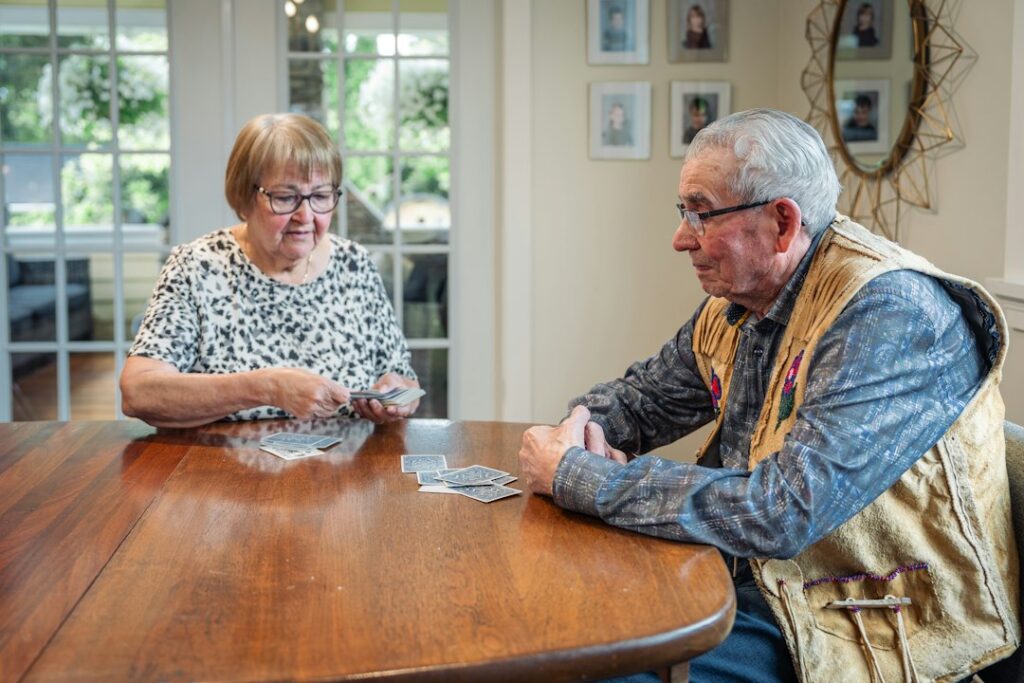
Assisted living can support mental well-being by combining daily structure, social connection, personal choice, and access to help when needs change. For older adults and families in Flourtown, the goal is not simply to provide meals and housing. A supportive setting should also help residents feel safe, respected, engaged, and connected to ordinary life.
Mental well-being includes more than the absence of depression or anxiety. It also involves purpose, confidence, meaningful relationships, emotional stability, and the ability to make choices about daily routines.
How does assisted living support emotional health?
Assisted living supports emotional health by reducing avoidable stress while preserving as much independence as possible. Everyday tasks such as cooking, cleaning, transportation, medication organization, and personal care may become difficult or tiring. Reliable assistance can reduce the worry associated with managing these responsibilities alone.
A predictable routine can also help residents feel more settled. Regular meal times, activities, wellness checks, and opportunities for conversation create a sense of rhythm without requiring every day to be identical.
The most supportive approach is individualized. Some residents enjoy a full activity calendar, while others prefer quiet mornings, small-group programs, or time alone. Mental well-being is more likely to improve when assistance is offered respectfully rather than imposed without discussion.
Can assisted living reduce loneliness?
It can, particularly when residents have frequent opportunities for natural, low-pressure interaction. Loneliness is not always solved by being surrounded by people. A resident may still feel isolated if activities do not match personal interests or if conversations remain superficial.
Helpful forms of connection may include:
- Shared meals with familiar tablemates
- Small discussion groups
- Games, crafts, music, or reading activities
- Walking with another resident
- Visits from relatives and friends
- Celebrations of birthdays, holidays, and personal milestones
- Informal conversations in common areas
For someone accustomed to a private home, moving into a more social setting may feel uncomfortable at first. Staff members and family can help by introducing residents gradually, remembering personal interests, and avoiding pressure to participate in every event.
Family connection remains important even when a resident receives daily support. Phone calls, visits, photographs, handwritten notes, and familiar belongings can help maintain continuity during a major life transition.
Why does routine matter for mental well-being?
Routine helps make daily life more understandable and manageable. Older adults experiencing memory changes, anxiety, or reduced confidence may feel overwhelmed when schedules are unpredictable. A consistent pattern can make it easier to anticipate meals, rest, activities, medication times, and personal care.
A healthy routine should include flexibility. Residents should have choices about when to wake up, what to wear, which activities to attend, and how to spend unstructured time. Too little structure may contribute to boredom, while too much control may make a person feel powerless.
Seasonal conditions can affect routines in Flourtown. Cold weather, snow, heat, and periods of heavy rain may limit outdoor activity. A well-planned setting provides indoor alternatives such as movement classes, music, conversation groups, creative projects, and safe walking areas. Maintaining activity during less comfortable weather can help prevent boredom and extended isolation.
How does independence affect emotional health?
A person’s emotional well-being often improves when daily assistance does not erase personal control. Needing help with bathing, dressing, medication, or transportation does not mean someone should lose the ability to make ordinary decisions.
Independence may be supported through choices such as:
- Selecting clothing and meals
- Choosing whether to join an activity
- Deciding how to arrange personal belongings
- Participating in care planning
- Maintaining preferred sleep and rest habits
- Continuing familiar hobbies
- Choosing how to spend time with visitors
Family members sometimes assume that doing everything for an older relative is the most caring option. However, taking over tasks that a resident can still manage may unintentionally reduce confidence. Assistance should be matched to actual need, with opportunities for residents to continue doing safe parts of a task themselves.
What activities promote mental well-being?
Activities can support mood, memory, confidence, and social connection when they are meaningful to the individual. They do not need to be elaborate or expensive.
Useful activities may include gardening in suitable weather, preparing simple recipes, listening to familiar music, looking through family photographs, writing letters, discussing current events, playing cards, practicing gentle movement, or caring for plants and pets when appropriate.
The value of an activity often depends on personal history. A former teacher may enjoy helping with a reading group. Someone who worked with tools may prefer hands-on projects. A lifelong sports fan may enjoy watching games with others. Residents should not be judged by how often they attend organized programs. Quiet pursuits can be equally beneficial.
Activities that create a sense of contribution may be especially helpful. Folding napkins, helping choose music, welcoming a new resident, or sharing a family recipe can reinforce identity and purpose.
What signs suggest that a resident needs more emotional support?
Changes in behavior may signal loneliness, depression, anxiety, grief, pain, medication effects, or a health problem. A single difficult day is not necessarily concerning, but persistent or worsening changes deserve attention.
Families and caregivers should watch for:

- Loss of interest in previously enjoyable activities
- Frequent sadness, irritability, fear, or restlessness
- Major changes in sleep or appetite
- Avoiding meals or social contact
- Repeated statements of hopelessness or worthlessness
- Increased confusion or sudden behavior changes
- Neglect of personal care
- Unexplained physical complaints
- Expressions about wanting to die or not wanting to continue
Any mention of self-harm, suicide, or feeling unsafe requires immediate attention. Staff should be informed promptly, and emergency assistance may be necessary depending on the situation. Sudden confusion, unusual drowsiness, or abrupt personality changes can also indicate an urgent medical issue rather than a purely emotional concern.
How can families help after a move?
Families can support adjustment by allowing time for the new environment to feel familiar. Moving may involve grief, even when the change is beneficial. A resident may be mourning a former home, neighborhood routines, a spouse, a pet, or a sense of control.
Practical support includes bringing familiar furniture or photographs, maintaining predictable contact, and asking open questions such as, “What part of the day feels easiest?” or “What would make tomorrow more comfortable?” Questions focused only on complaints may make every conversation feel like an inspection.
It also helps to share useful personal information with caregivers: preferred foods, former occupations, important relationships, cultural traditions, favorite music, and situations that cause distress. This background can help others understand the person beyond medical needs.
What should families ask about mental well-being?
Before choosing an assisted living setting, families can ask how emotional and social needs are addressed. Useful questions include:
- How are residents introduced to one another?
- What happens if someone stops attending meals or activities?
- Are activities adapted for different abilities and interests?
- How are personal preferences recorded and updated?
- How are families informed about significant changes in mood or behavior?
- What support is available during grief, adjustment, or increased anxiety?
- How are privacy and independence protected?
- What indoor options are available during poor weather?
The answers can reveal whether mental well-being is treated as part of everyday care or only addressed after a serious problem develops. A supportive environment recognizes that emotional health depends on ordinary experiences: being listened to, having choices, staying connected, and feeling that each day still has meaning.
