
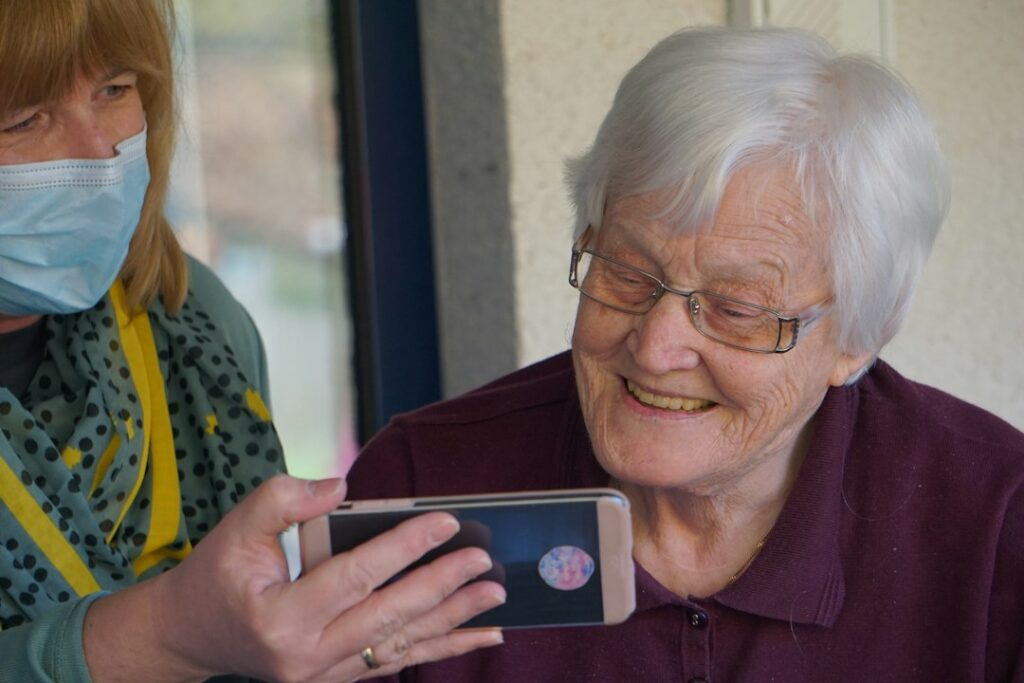
Technology in assisted living is most useful when it supports human care rather than trying to replace it. In Flourtown, PA, residents and families may encounter tools that help with safety, communication, medication routines, activities, and daily comfort.
The right technology should be understandable, optional when possible, and matched to a resident’s abilities, preferences, and care plan.
What does technology do in assisted living?
Technology helps staff notice needs sooner, organize information, and give residents more control over everyday routines. It can also help families stay informed without requiring constant phone calls or visits.
Common examples include:
- Emergency call systems in apartments, bathrooms, and common areas
- Motion sensors that identify unusual activity or nighttime movement
- Electronic medication records and reminder systems
- Video calling and communication tablets
- Digital door-access systems
- Wearable devices that track location, heart rate, or activity
- Electronic care plans and secure staff documentation
- Automated lighting, thermostats, and voice-controlled features
These tools vary widely. Some are visible, such as a pendant or tablet. Others operate in the background through room sensors, bed sensors, or software used by staff.
Can technology help prevent falls?
Technology can reduce response time after a fall, but it cannot prevent every fall or guarantee that an emergency will be detected.
Emergency pendants, wall buttons, wearable watches, and motion-based systems may allow a resident to request help quickly. Some systems can recognize a sudden change in movement and alert staff even when a resident cannot reach a call button.
Fall-related technology is most helpful when combined with practical safety measures, including:
- Clear walking paths
- Adequate lighting
- Properly fitted footwear
- Handrails and grab bars where appropriate
- Regular review of medications that may cause dizziness
- Vision and hearing support
- Assistance with transfers and mobility
Families should ask whether a system detects falls automatically, whether the resident must press a button, and what happens if the device is removed, loses power, or cannot connect to the residence’s network.
How is technology used for medication management?
Medication technology can help reduce missed doses, duplicate documentation, and confusion about schedules. Staff may use electronic medication administration records to document when medications are given, refused, delayed, or changed.
Some residences also use locked dispensers, reminders, barcode scanning, or alerts when a medication task is overdue. These systems can improve organization, but they do not replace clinical judgment.
Residents and families should ask:
- Who is responsible for giving or supervising medications?
- How are prescription changes recorded?
- How are missed or refused doses handled?
- How are over-the-counter medicines and supplements documented?
- How are medication errors reported and reviewed?
A digital record is only as reliable as the information entered into it. Medication lists should be updated after changes from a physician, nurse practitioner, or other authorized clinician.
Does technology help residents with memory loss?
It can, although the benefit depends on the person and the design of the tool. Simple technology may support familiar routines, while complicated systems can increase frustration.
Helpful features may include:
- Large, high-contrast clocks
- Voice reminders
- Picture-based instructions
- Automatic night lighting
- Door or location alerts
- Family video calls
- Music and photo applications
- Simple television or radio controls
Location technology may help staff respond if a resident leaves an approved area or becomes disoriented. However, tracking can feel intrusive. Residents with memory impairment still deserve dignity, privacy, and an explanation of how monitoring works whenever they are able to understand and participate in the decision.
A device should not be treated as a substitute for supervision, meaningful activity, or personal interaction.
How does technology improve communication with families?
Digital communication can give families a clearer view of daily routines. Depending on the residence, families may receive updates through a secure portal, telephone system, video call, or electronic messaging process.
Technology may be used to share:
- Appointment reminders
- Activity calendars
- Changes in care needs
- General wellness updates
- Questions about supplies or preferences
- Notices about weather-related schedule changes

Families should understand what information can be shared and who is permitted to receive it. A resident’s privacy rights do not disappear because relatives want frequent updates. The resident’s preferences, legal representatives, and applicable privacy rules all matter.
During winter storms, summer heat, power interruptions, or severe weather, communication systems can be especially useful. Families can ask how updates are provided if internet service, cellular service, or electricity is interrupted.
What privacy concerns should residents consider?
Privacy is one of the most important issues surrounding assisted living technology. Cameras, microphones, sensors, location tools, and electronic records may collect information about a resident’s movements, health, habits, or conversations.
Before accepting or using a device, residents and families should ask:
- What information does the device collect?
- Is audio or video recorded, or is the system sensor-based?
- Who can view the information?
- How long is data retained?
- Is information shared outside the residence?
- How is access limited?
- What happens if the resident withdraws consent?
Video monitoring in a private room or shared space requires particularly careful discussion. Consent, roommate privacy, dignity, and the purpose of monitoring should be addressed clearly. A technology policy should explain when devices are used, how residents are notified, and how concerns are handled.
Is assisted living technology difficult for older adults to use?
It can be, especially when a device has small buttons, unclear instructions, frequent updates, or too many features. Hearing loss, arthritis, vision changes, memory impairment, and limited experience with digital tools can all affect usability.
A good system should be tested in the resident’s normal environment. A pendant should be comfortable enough to wear. A tablet should have readable text and a stable stand. Voice features should work despite background noise. Alerts should be noticeable without being startling.
Training should include more than a single demonstration. Residents may need repeated practice, written instructions in large print, and help from familiar staff members. Families can also help by using consistent names for devices and avoiding unnecessary changes.
What should families ask before a residence uses new technology?
Technology should be evaluated as part of the overall care system, not as proof that a residence provides better care. Useful questions include:
- What resident problem is the technology intended to address?
- Is the system required, optional, or used only for certain care needs?
- What happens when the system fails?
- Is there a backup procedure?
- How are staff trained?
- How often are devices tested?
- Who pays for the equipment and replacement parts?
- How does the technology fit into the resident’s care plan?
- Can the resident or representative object to a particular feature?
In Pennsylvania, assisted living residences operate under state licensing requirements related to resident health, safety, services, and well-being. Technology should fit within those responsibilities rather than obscure them.
What is the most important role of technology?
The central role of technology is to help people notice needs, respond consistently, and preserve independence where possible. It should make daily life safer and more manageable without turning the residence into an impersonal or overly monitored environment.
For residents in Flourtown, technology choices may also need to account for seasonal weather, occasional power or internet disruptions, building layout, and whether family members can provide technical support. The best approach is usually practical: select tools that solve a clearly identified problem, respect privacy, and remain useful even when a resident’s abilities or care needs change.
