
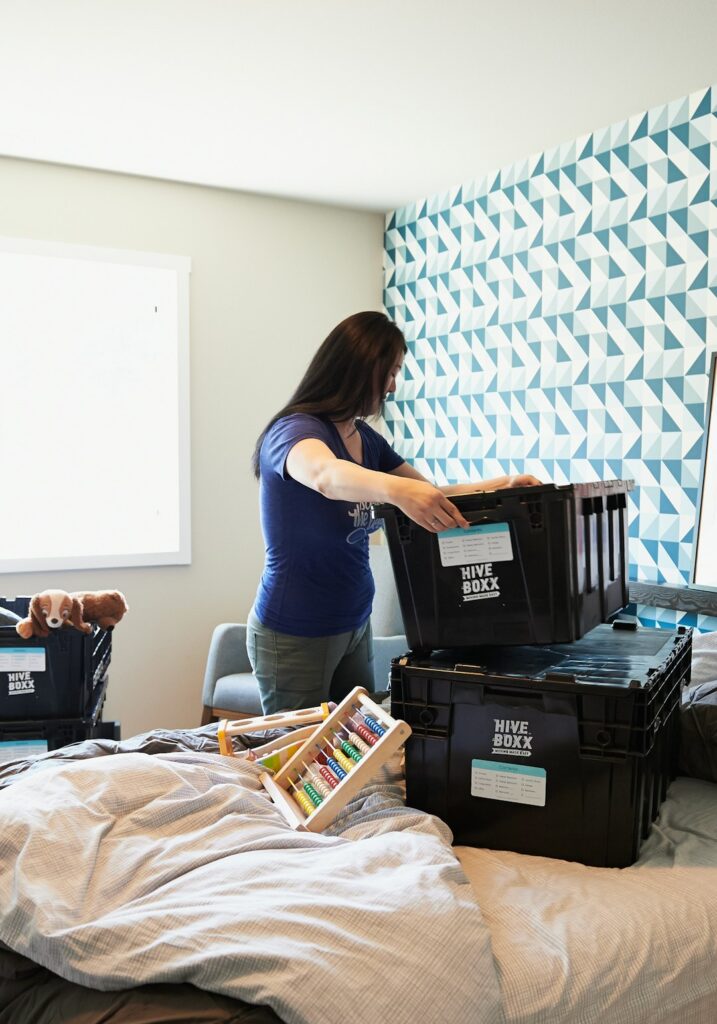
Moving into assisted living often involves bringing less than expected. The goal is not to recreate an entire household, but to create a safe, comfortable living space with the clothing, personal items, medications, documents, and familiar belongings needed for daily life.
For residents of Flourtown, seasonal weather is an important consideration. Hot, humid summers, cold winters, rain, and occasional snow make it useful to plan for several types of clothing without overpacking.
What should be packed first?
The first items to gather are those needed during the first few days, especially medications, identification, comfortable clothing, toiletries, and important paperwork. Pack these separately so they are easy to find rather than buried in moving boxes.
A practical first-day bag may include:
- Current medications in their original pharmacy-labeled containers
- A medication list with names, doses, and prescribing information
- Identification, insurance cards, and emergency contacts
- Comfortable clothing for several days
- Toiletries and personal hygiene supplies
- Eyeglasses, hearing aids, dentures, chargers, and cases
- A phone, tablet, or other communication device
- A small amount of familiar food or snacks, if permitted
- Any mobility aid used regularly
Ask the residence ahead of time how medications should be delivered and handled. Assisted living communities commonly have specific procedures for medication storage, administration, and documentation.
How much clothing is enough?
Most residents need enough clothing for about seven to ten days, with a few extra items for weather changes or laundry delays. Packing every garment owned usually creates clutter and makes it harder to identify what belongs to the resident.
Choose comfortable, washable clothing that is easy to put on and remove. Useful items include:
- Shirts, sweaters, and lightweight layers
- Pants with elastic or easy-to-manage waistbands
- Sleepwear
- Undergarments and socks
- A robe or warm house layer
- Comfortable shoes with non-slip soles
- A weatherproof coat
- A hat, gloves, and scarf for winter
- A sun hat and light layers for warmer months
- One or two outfits suitable for appointments or family events
Label clothing with the resident’s name, especially if laundry is handled by staff. Sew-in labels, fabric markers, or durable iron-on labels may be useful. Mark coats, sweaters, shoes, and removable medical garments as well as everyday clothing.
For the local climate, avoid packing only short-sleeved shirts or only heavy winter clothing. Layering is more practical because indoor temperatures may feel different from outdoor conditions.
What personal care items should be included?
Pack the personal care products the resident uses regularly, but confirm which items are supplied by the residence. Some communities provide basic toiletries, while residents may prefer familiar products or need specific items for skin, hair, dental, or continence care.
Possible items include:
- Toothbrush, toothpaste, and denture supplies
- Comb, brush, hair products, or shaving supplies
- Moisturizer and lip balm
- Deodorant
- Nail-care supplies, if permitted
- Preferred soap or shampoo
- Incontinence supplies, if required
- Tissues and a small supply of personal-care items
- A laundry bag or washable toiletry bag
Avoid bringing large quantities at first. A smaller supply allows the resident and family to determine what is actually needed after the move.
Which medical and mobility items belong in the room?
Bring the equipment the resident uses safely and routinely, but verify dimensions and policies before moving larger items. A walker, cane, wheelchair, shower chair, or transfer aid may need to fit through doorways and leave clear paths around the bed and bathroom.
Useful medical-related items may include:
- Eyeglasses and a protective case
- Hearing aids, batteries, and storage container
- Dentures and cleaning supplies
- Blood glucose equipment, if directed for personal use
- A blood pressure monitor, if recommended
- Mobility aids
- Compression garments, if prescribed
- A written list of allergies and medical conditions
Do not bring unused prescription medications, expired supplies, loose pills, or medical equipment that the resident no longer uses. Keep medication information current and provide updates when prescriptions change.
What documents should be packed?
Important records should be organized in one secure folder rather than spread among boxes. Keep copies available to the person responsible for the resident’s care and provide the residence with any forms it requires.
The folder may contain:
- Photo identification
- Insurance information
- Medical history and allergy information
- Medication and pharmacy details
- Physician and emergency contact information
- Advance directive or health care planning documents
- Power of attorney information, when applicable
- A list of family members and preferred contacts
- Information about pets, religious practices, routines, or communication needs
Avoid packing irreplaceable original documents unless they are specifically needed. A secure home file or appropriate legal storage may be better for certain originals.
How many furniture and household items should be brought?
Start with essential furniture and a limited number of meaningful belongings. Many assisted living rooms already include a bed, dresser, closet, or other basic furnishings. Measure the room and confirm what is provided before moving anything large.
Common additions include:
- A favorite chair
- A small table or bedside organizer
- A lamp, if allowed
- A wall clock with large numbers
- A small bookcase
- A compact television or radio
- Familiar bedding, if permitted
- A washable throw blanket
- A few framed photographs
- A calendar or whiteboard

Leave enough open floor space for walking aids and safe transfers. Extension cords, space heaters, candles, cooking appliances, and other heat-producing items may be restricted because of fire and fall risks. Check the residence’s policies before packing them.
Which familiar items can make the room feel more comfortable?
A small number of familiar objects can help the new room feel recognizable. The most useful items are often practical and emotionally meaningful rather than expensive.
Consider bringing:
- Family photographs
- A favorite quilt or blanket
- Books or magazines
- A familiar scent-free personal item
- A small collection related to a hobby
- Music recordings or headphones
- A simple calendar
- Religious or cultural items
- A familiar mug or lightweight keepsake
Do not bring every treasured possession at once. Smaller items can be added later after the resident has adjusted to the space. Valuable jewelry, large amounts of cash, and irreplaceable heirlooms are generally better kept elsewhere.
What should be left at home?
Items that create safety concerns, clutter, or confusion are usually poor choices for an assisted living room. These may include:
- Loose rugs or unstable floor mats
- Large quantities of food
- Heavy furniture
- Cluttered decorations
- Valuable jewelry
- Unapproved appliances
- Weapons or hazardous tools
- Expired medications
- Clothing that is difficult to fasten or maintain
- Fragile objects that could cause injury if broken
Some residents may also need fewer decorative objects than expected if memory loss, vision changes, or mobility limitations make a crowded room difficult to navigate.
How can packing be organized before move-in?
Packing is easier when belongings are sorted into four groups: bring now, bring later, store elsewhere, and discard. Use clear labels on boxes and identify the contents of each box without relying only on memory.
A simple preparation process is:
- Review the residence’s approved-item list.
- Measure the room and note available storage.
- Create a clothing inventory.
- Label clothing and personal equipment.
- Place documents and medications in separate secure bags.
- Pack a first-day bag.
- Photograph valuable or sentimental belongings before the move.
- Reassess the room after the first week.
The right packing plan leaves room for daily life. A comfortable room should be easy to walk through, simple to maintain, and filled with enough familiar items to feel personal without becoming crowded.
